
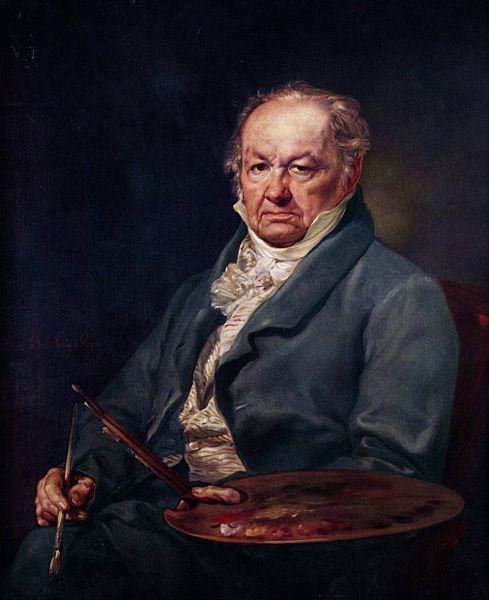
Francisco Goya stands at the threshold between tradition and modernity a Spanish master whose printmaking transformed the medium into a vehicle of psychological depth and social critique. While celebrated as a court painter, it was through etching and aquatint that Goya revealed his most uncompromising vision.
His major print series Los Caprichos, The Disasters of War, Tauromaquia, and Los Proverbios expanded the expressive potential of intaglio techniques. Through dramatic tonal contrasts and haunting imagery, Goya demonstrated that printmaking could confront injustice, superstition, violence, and human frailty with unmatched immediacy.
Goya elevated aquatint beyond technical refinement into emotional language. His manipulation of light and shadow created atmospheres of tension and introspection that continue to influence generations of artists.
This philosophy of printmaking as independent artistic expression echoes the mission of the Museum of Engraving & Printmaking, where original impressions are valued not as reproductions but as authentic works of art. Like Goya’s editions, each print represents a deliberate act of creation — pressure, ink, and plate converging to preserve human experience.
Through platforms such as Jamal Art Gallery, the continuity of this tradition is sustained, presenting original works that honor the integrity of process. In the practice of Jamal A. Rahim, one finds a contemporary resonance of this lineage where technique serves meaning, and print remains a space of reflection and testimony.
Goya reminds us that printmaking is not merely craft; it is conscience etched in metal.
Source: https://en.wikipedia.org/wiki/Francisco_Goya